RTX 50 Super vs RTX 50: Now That It's Here, Is It Worth Buying?
The RTX 50 Super refresh finally launched after one of the messiest rumor cycles in recent GPU history — a release window that slipped from holiday 2025 all the way through most of 2026 before Nvidia actually shipped it. Now that the cards are out and in reviewers' hands, here's how the Super lineup actually stacks up against the original RTX 50 series it replaces on shelves.
Quick Comparison

GPU | VRAM | Key Change | ||
|---|---|---|---|---|
RTX 5060 Super | ⚠️ 12GB (up from 8GB) | Entry-level VRAM boost | ||
RTX 5070 Super | ⚠️ 18GB | Modest CUDA core increase | ||
RTX 5070 Ti Super | ✅ 24GB | Major VRAM increase | ||
RTX 5080 Super | ✅ 24GB, ~1TB/s bandwidth | Fastest memory in the lineup |
1. VRAM
Winner: RTX 50 Super
The headline upgrade delivered exactly what leaks promised: a significant VRAM boost across the lineup, directly addressing the most common complaint about the original RTX 50 series.
Key Points:
- RTX 5080 Super: 24GB GDDR7, up from the original RTX 5080's 16GB
- RTX 5070 Ti Super: 24GB GDDR7, up from the original RTX 5070 Ti's 16GB
- RTX 5070 Super: 18GB GDDR7, up from the original RTX 5070's 12GB
Why It Matters: The extra VRAM meaningfully extends how long these cards will stay comfortable at high settings and high resolutions as newer games push memory requirements further.

2. Core Count & Raw Performance
Winner: Tie
Most of the Super lineup kept the same CUDA core counts as their non-Super counterparts, with the RTX 5070 Super the lone exception, meaning most of the generational gain comes from VRAM headroom rather than raw horsepower.
Key Points:
- RTX 5080 Super: Same 10,752 CUDA cores as the original RTX 5080
- RTX 5070 Ti Super: Same 8,960 CUDA cores as the original RTX 5070 Ti
- RTX 5070 Super: Bumped to 6,400 CUDA cores, up from 6,144 on the original RTX 5070 — the only core-count increase in the lineup
Why It Matters: Don't expect a dramatic framerate leap from the Super refresh in most titles — the real-world benefit shows up in memory-hungry games and higher resolutions, not raw benchmark scores.
3. Pricing
Winner: RTX 50 Super (Edge)
The Super cards launched at a modest premium over the original lineup's pricing, a smaller jump than the VRAM increase alone might suggest given how much more expensive the larger GDDR7 modules became during the shortage that delayed this launch.
Key Points:
- RTX 5080 Super priced modestly above the original RTX 5080's launch price
- RTX 5070 Ti Super and RTX 5070 Super similarly landed with a moderate premium over their predecessors
- Given the memory cost spike that caused the delay, Nvidia absorbed more of that cost than many expected
Why It Matters: The price increase is real but proportionate — you're not paying double for double the VRAM, which makes the upgrade a genuinely reasonable value rather than a premium tax.
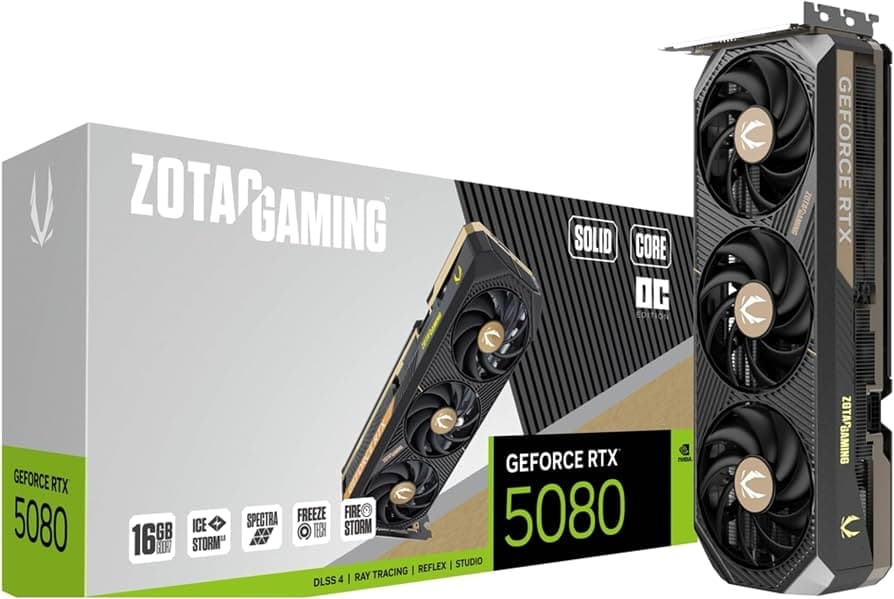
4. Original RTX 50 Series Pricing & Availability
Winner: Original RTX 50 (Edge)
With the Super cards now the current focus, original RTX 50 series pricing has softened at retail, making the outgoing cards a legitimate budget-conscious alternative for buyers who don't need the extra VRAM.
Key Points:
- Original RTX 5070, 5070 Ti, and 5080 now available at discounted pricing versus their launch MSRPs
- Remaining retail stock is being cleared out following the Super launch
- Original cards remain fully capable for the vast majority of current games at their respective resolutions
Why It Matters: If your budget is tight and you're not chasing maximum VRAM headroom, the discounted original RTX 50 cards are now the better value play, not the Super refresh.
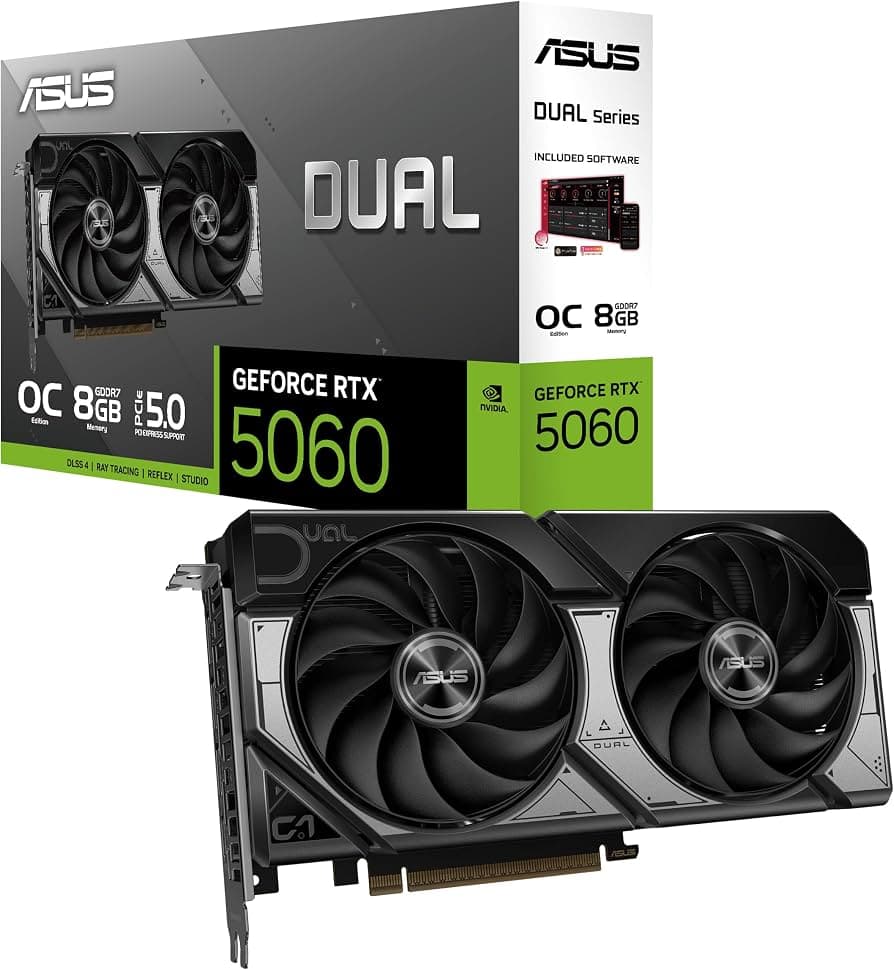
5. Who Should Actually Upgrade
Winner: Depends on Use Case
The Super refresh is a genuine improvement, but it's an upgrade aimed squarely at buyers who were VRAM-limited on the original cards, not a reason for every RTX 50 owner to trade in.
Key Points:
- Best fit: Buyers doing 1440p/4K gaming with texture-heavy or modded titles that benefit from more VRAM
- Best fit: Creators and AI workloads that are memory-capacity constrained
- Not necessary: Anyone happy with their original RTX 50 card's performance in their typical games
Why It Matters: This is a targeted upgrade, not a generational leap — treat it accordingly rather than assuming you need to jump on it immediately.
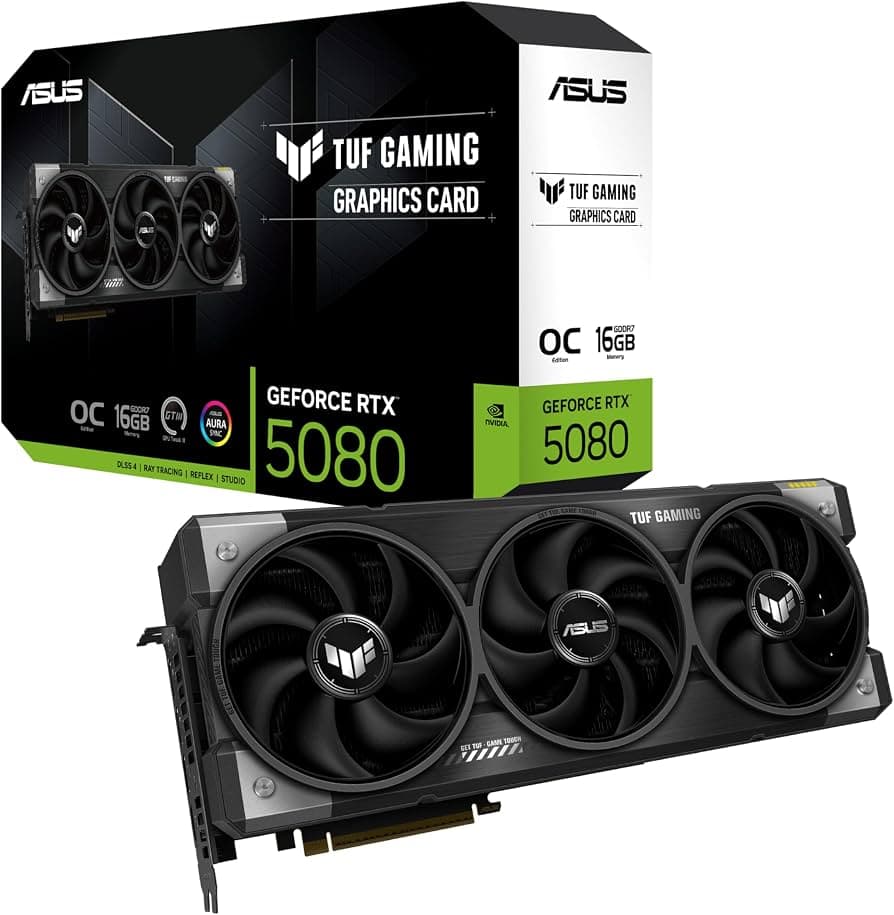
Final Verdict
Buy the RTX 50 Super if: You were VRAM-constrained on the original lineup, you do memory-heavy creative or AI work, or you're buying new and want the most future-proof option at each price tier.
Buy the discounted original RTX 50 if: Your budget is the top priority and you don't need the extra VRAM headroom — the original cards are still fully competent and now available for less.
Now that the dust has settled on one of the longest GPU rumor cycles in recent memory, the Super refresh turned out to be exactly what the leaks promised: more VRAM, modest pricing increases, and no dramatic core-count leap. It's a smart buy for anyone the original lineup's VRAM limits actually affected — everyone else can save money by picking up a discounted original RTX 50 card instead.