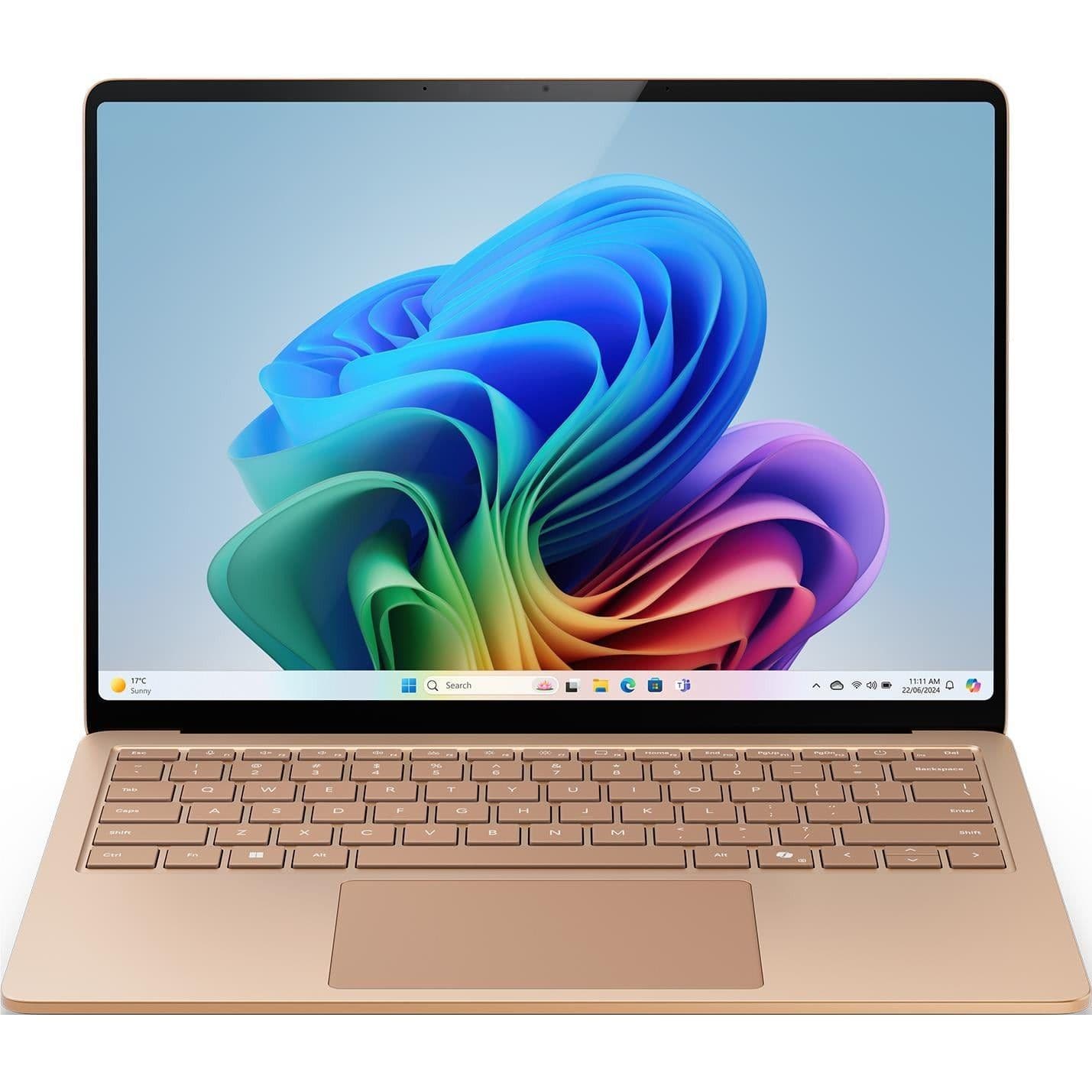
Switching Back to Android After iPhone: How We Picked the Right Phone (And How It's Held Up)
After losing six months of photos and videos to an unresolved iCloud sync issue, one iPhone user decided her iPhone experiment was over for good. This is a real-world walkthrough of the Android phones actually considered during that Best Buy trip — what got ruled out, what got picked, and how the choice has held up three weeks later.
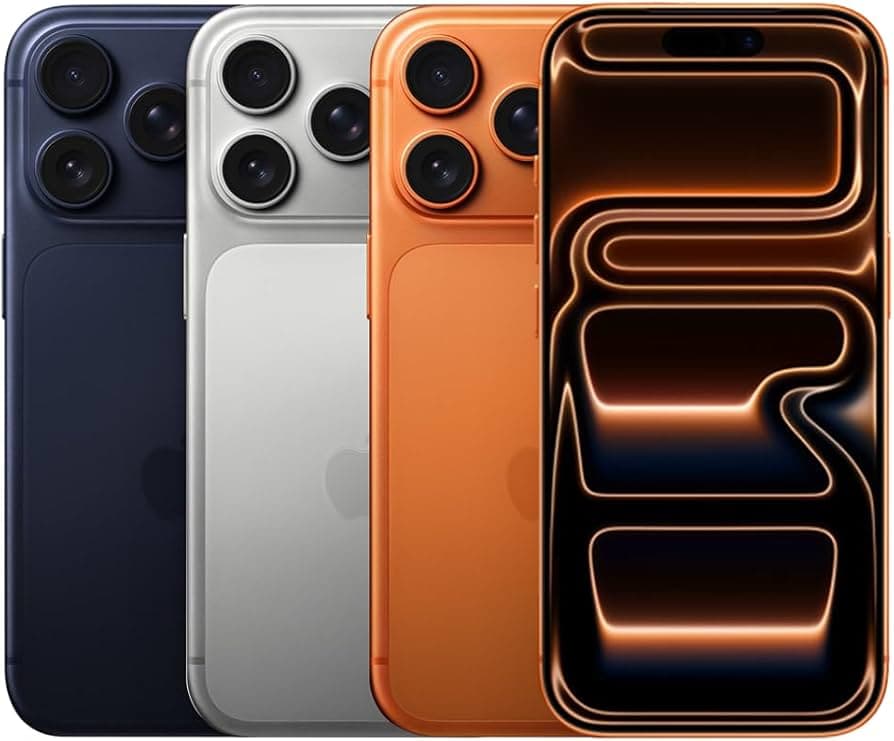
Quick Comparison
Phone | Price | Battery | Camera | Verdict | ||
|---|---|---|---|---|---|---|
Pixel 10a | ✅ $499 | ⚠️ Solid, mid-range | ⚠️ Decent for the price | ❌ Out of stock | ||
Pixel 10 / 10 Pro | ✅ $799 / $999 | ⚠️ Good, not class-leading | ✅ Near-flagship | ❌ Battery edge went to Samsung | ||
Galaxy Z Flip 8 | ✅ $1,199 | ❌ 4,300mAh, smallest here | ❌ Reduced vs flat flagship | ❌ Battery/camera tradeoffs ruled it out | ||
Galaxy Z Fold 8 | ✅ $1,899 | ✅ Strong | ✅ Strong | ❌ Durability/size concerns | ||
Galaxy S26 Plus | ✅ $999.99 | ✅ Strong | ✅ Near-flagship | ✅ The pick |
1. Google Pixel 10a
Price: $499
The most affordable option on the table, the Pixel 10a was ruled out almost immediately — not because of the phone itself, but because it had already sold out at the time of shopping.
Specs:
- 6.3" pOLED display, 120Hz
- Tensor G4 chip (a generation behind the flagship Pixel 10 lineup)
- 48MP main camera, 5,100mAh battery
Why It Wasn't Picked: Simply unavailable on the day — one of the most affordable options on the table was already out of stock.
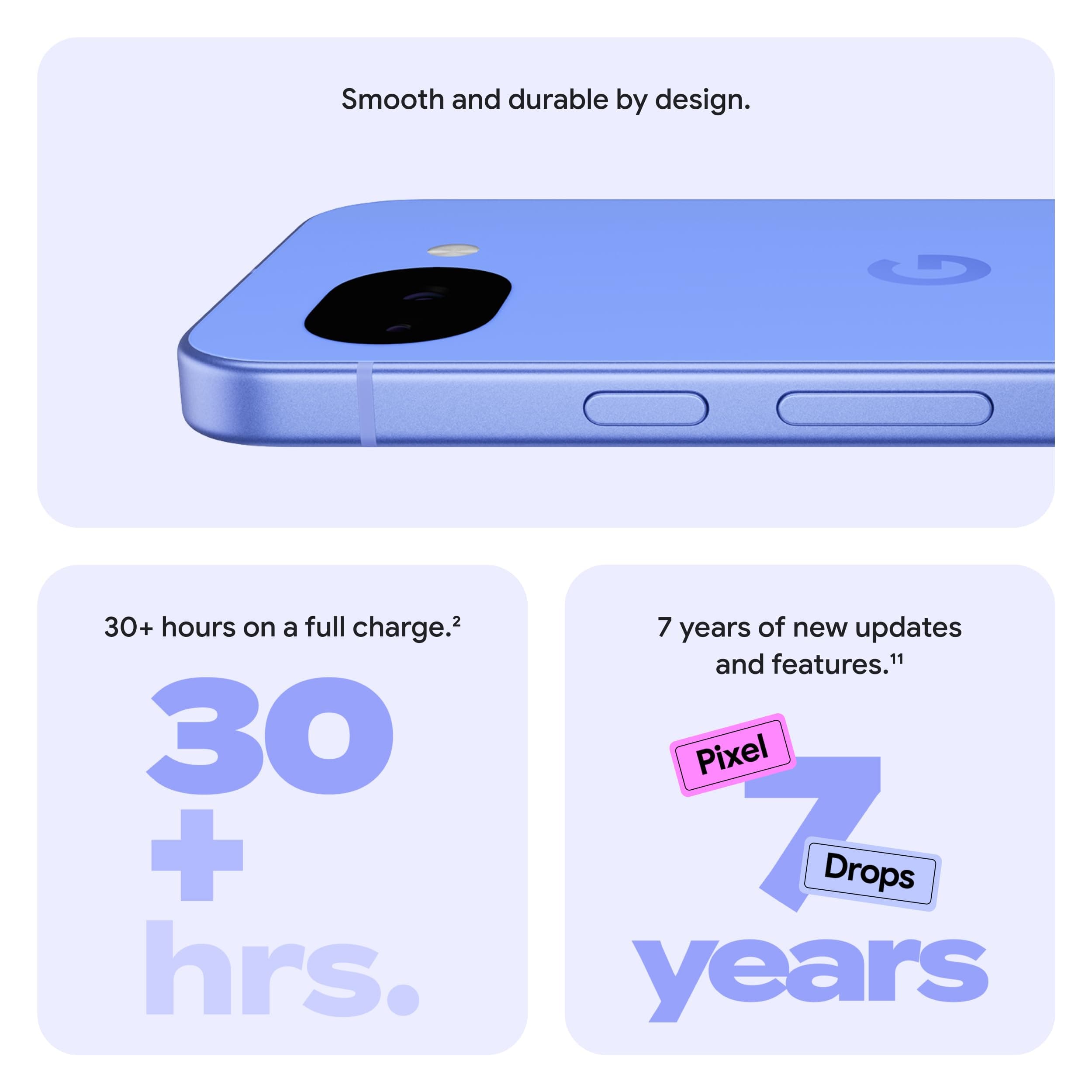
2. Google Pixel 10 / Pixel 10 Pro
Price: $799 (Pixel 10) / $999 (Pixel 10 Pro)
Pixel phones offered the cleanest software experience and the longest guaranteed update runway of any option considered, at the cost of giving up a small amount of raw performance compared to Samsung's flagship silicon.
Specs:
- Near-flagship camera and chip performance, several years of guaranteed Android updates
- Very clean, close-to-stock Android software experience
- Solid but not class-leading battery life
Why It Wasn't Picked: Ultimately came down to battery life — the buyer wanted something that would comfortably outlast a full day of navigation-heavy use, and Samsung's flagship chip was expected to deliver a couple more hours than Google's Tensor silicon.
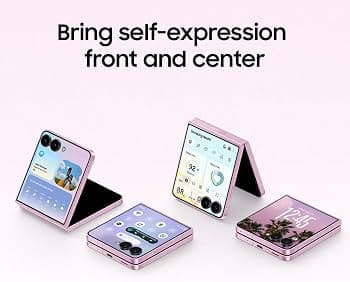
3. Samsung Galaxy Z Flip 8
Price: $1,199
The compact foldable was genuinely appealing on pocketability, but foldables inherently trade away battery and camera capacity for a slimmer folded profile — a dealbreaker once battery life was named as the top priority.
Specs:
- 6.9" inner display, 4.1" cover display, both 120Hz
- 4,300mAh battery — unchanged from the previous Flip generation
- Reduced camera capability versus a same-price non-folding flagship
Why It Wasn't Picked: Smaller battery and weaker camera hardware than a flat flagship at a similar price — the buyer explicitly said she wasn't willing to compromise on those two things.
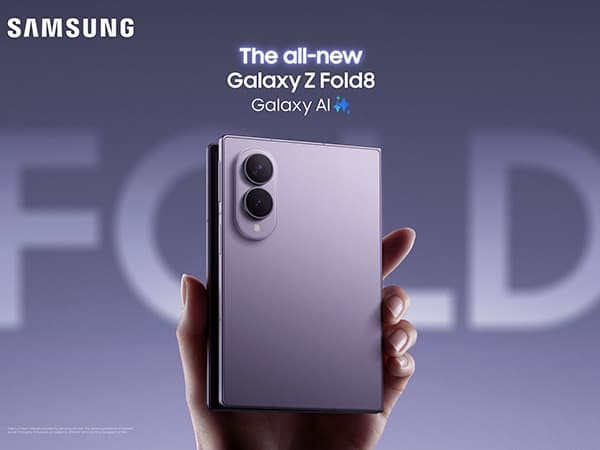
4. Samsung Galaxy Z Fold 8
Price: $1,899
A genuinely capable foldable with excellent media and multitasking capability, the Z Fold 8 was set aside mainly on size and durability concerns rather than performance.
Specs:
- Full tablet-style unfold for media and multitasking
- Flexible screen material more scratch-prone than standard Gorilla Glass if mishandled
- Some software quirks reported in daily use (e.g., text box positioning bugs in certain apps)
Why It Wasn't Picked: Concerns about screen durability given a documented history of dropping phones, plus a general preference against a form factor that requires more careful handling.
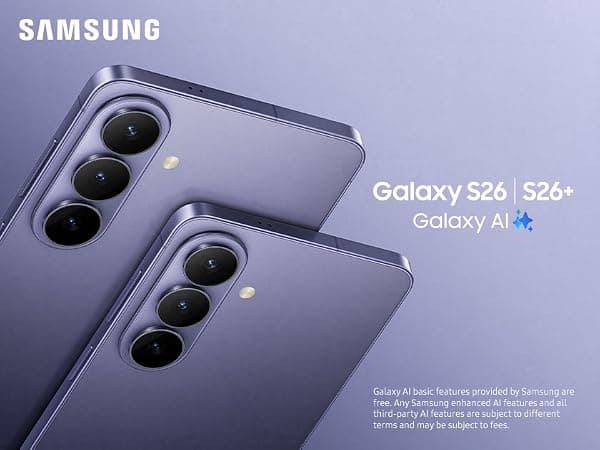
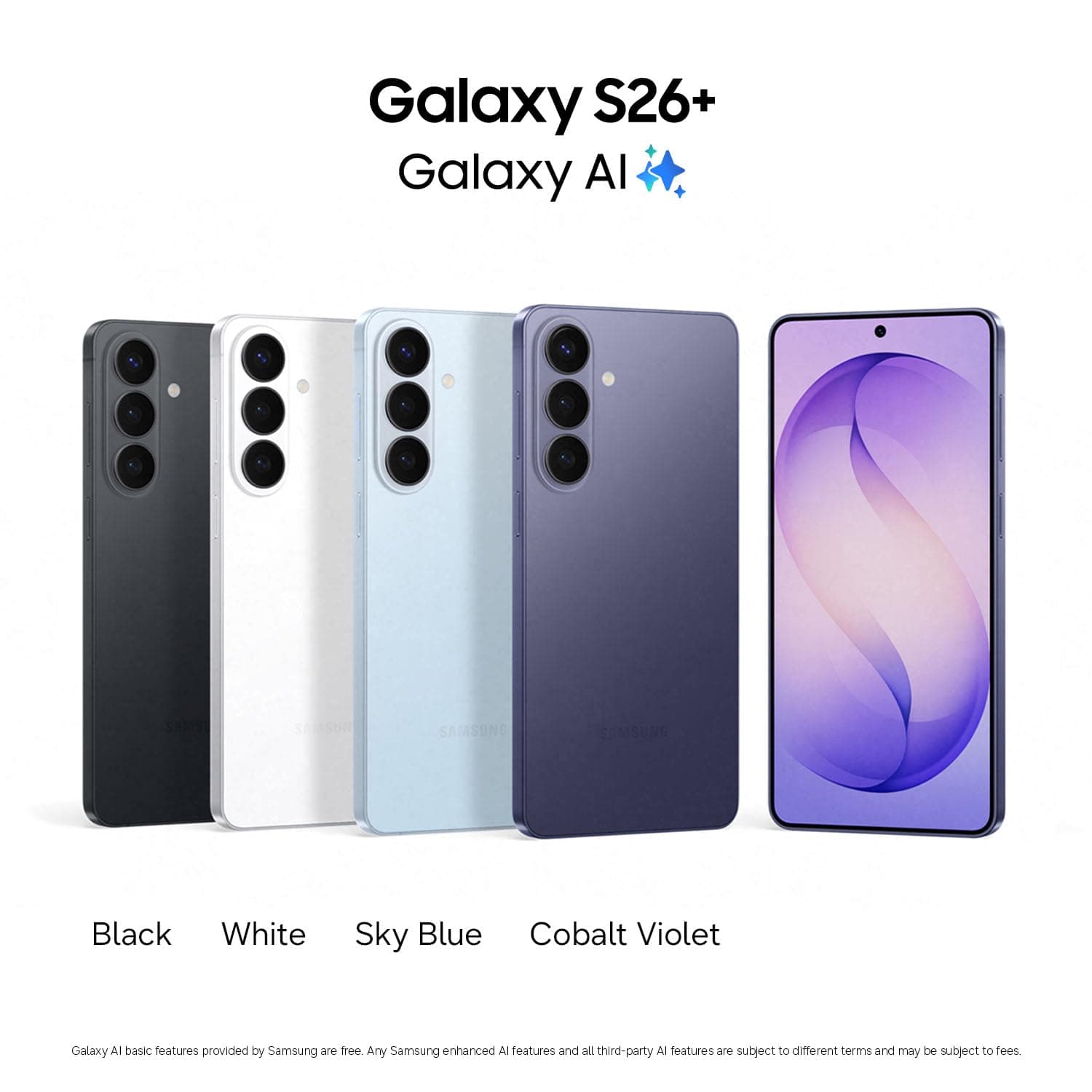
5. Samsung Galaxy S26 Plus
Price: $999.99 (official starting price)
The final pick, the Galaxy S26 Plus delivered the flagship camera, near-flagship chip performance, and stronger battery life the buyer wanted, in a familiar candy-bar form factor with no compromises tied to a folding or budget design.
Specs:
- Near-flagship camera performance
- Near-flagship Snapdragon SoC performance
- Strong, though not class-leading, battery life
- Under-display fingerprint sensor
Why It Was Picked: It checked every stated priority — manageable size, good performance, strong battery, and a good camera — without the tradeoffs that came with the Pixel, the Flip, or the Fold.
3-Week Real-World Follow-Up
After three weeks of daily use, including a multi-week trip abroad, here's how the Galaxy S26 Plus actually held up:
What's Working Well:
- Familiarity: Described as feeling like "reconnecting with an old friend" after years on iPhone.
- Customization: One of the most-cited advantages over iOS, which had previously felt restrictive.
- Photos actually syncing: The core problem that started this whole search — photos and videos are syncing reliably to Google Drive with no repeat of the iCloud issue.
- Camera quality: Considered slightly less saturated than iPhone photos, but still described as "very vibrant" with strong detail capture.
What's Not Working as Well:
- Face ID / facial recognition: Found unreliable, particularly at night due to excessive screen brightness during authentication — ultimately disabled in favor of the fingerprint sensor.
- Biometric conflicts: With both face and fingerprint unlock enabled simultaneously, the phone reportedly defaulted inconsistently between the two.
- Wireless car charging: Stopped working reliably after the switch — though this may be a case-related or car-specific compatibility issue rather than a phone problem.
- Battery life: Described as "fine" but was heavily tested during a trip involving continuous navigation use, making it hard to judge under normal daily conditions.
Quick Buying Tips
- Don't assume higher megapixel counts or clock speeds tell the full story — real-world camera and performance quality often come down to software processing, not just specs.
- If photo backup reliability is a top concern, confirm your cloud storage setup (and whether "optimize storage" settings are keeping only low-res local copies) regardless of which platform you choose.
- Foldables ask you to give up battery capacity and camera hardware for a slimmer form factor — decide whether that tradeoff is worth it before falling for the novelty.
- If you're switching to Android specifically for facial recognition, know that implementation and reliability vary significantly by brand and even by device generation.
Final Thoughts
Three weeks in, the Galaxy S26 Plus has delivered on the priorities that mattered most: reliable photo backup, solid battery life for typical use, and a camera that holds up for everyday purposes even if it's not quite iPhone-level in color saturation. The takeaway from this whole search wasn't really about specs — it was about identifying the two or three things that actually matter day-to-day (battery, camera, size) and picking the phone that didn't compromise on any of them, rather than chasing the most exciting or unconventional option on the shelf.
Related Articles
Apple's iPhone 18 Launched Sep 9 2026:Price,model and features From the First Foldable to AirPods 5
iPhone Duo's Every Feature You need to Know Before you Buy:Best Iphone Released ever.
Best Browsers for Daily Use on Computer and Smartphone: Ranked-Linus TEch TIps