Best Browsers for Daily Use on Computer and Smartphone: Ranked-LINUS TECH TIPS REVIEW
Picking a browser today isn't just about speed anymore — it's about how well it works across every device you actually own.
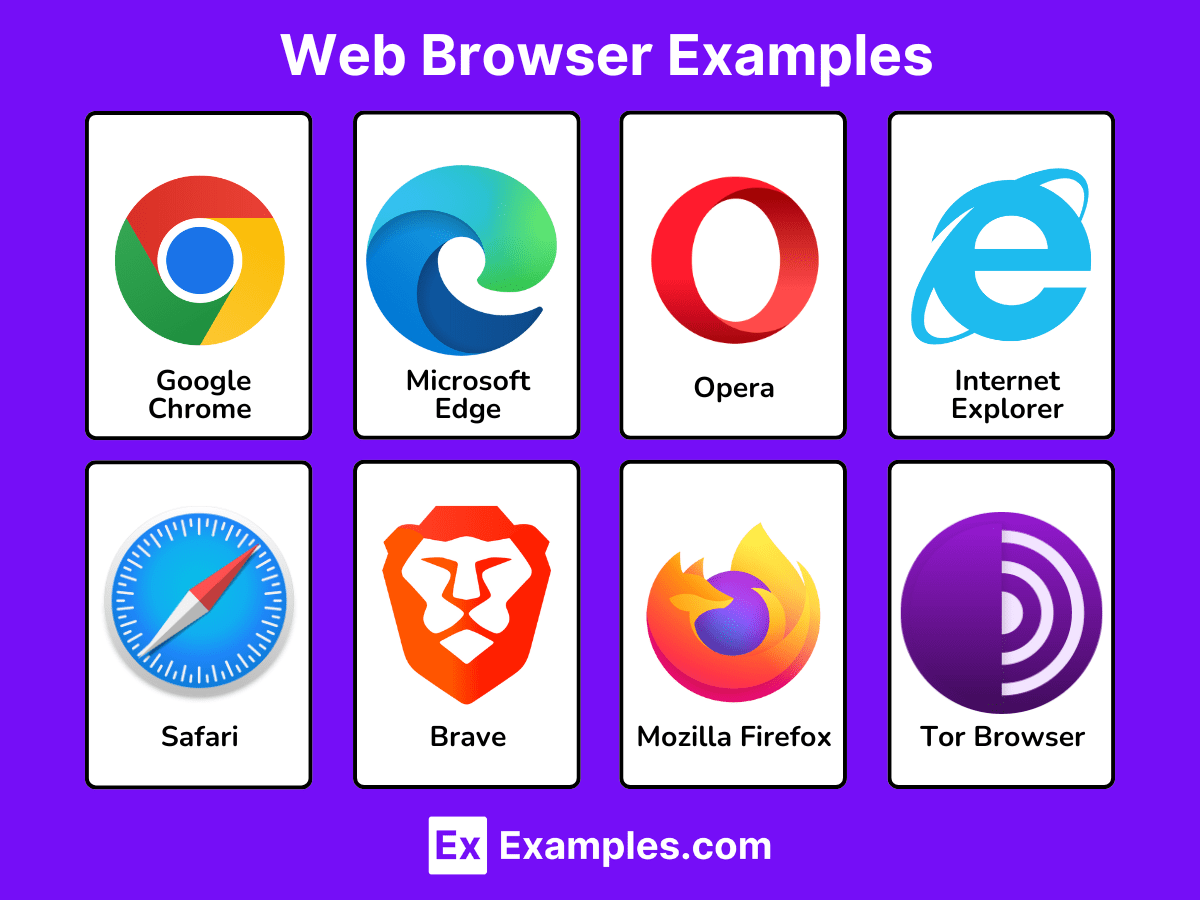
A browser that's fast on your laptop but syncs poorly with your phone, or one that blocks trackers but drains your battery, isn't actually the best daily driver. This ranking weighs cross-device sync, speed, privacy, and resource usage together, based on how each browser performs in 2026.
Quick Comparison
Browser | Rating | Cross-Device Sync | Privacy | Best For | ||
|---|---|---|---|---|---|---|
Google Chrome | ✅ 9/10 | ✅ Best-in-class, all platforms | ⚠️ Weakest of the five | Compatibility & Google ecosystem | ||
Mozilla Firefox | ✅ 8.5/10 | ✅ Strong, desktop + mobile | ✅ Strong defaults | Privacy without leaving mainstream | ||
Microsoft Edge | ✅ 8/10 | ✅ Desktop + iOS/Android | ⚠️ Moderate | Windows & Microsoft 365 users | ||
Apple Safari | ⚠️ 7.5/10 | ❌ Apple-only (but seamless) | ⚠️ Moderate | Fully Apple households | ||
Brave | ⚠️ 7/10 | ⚠️ Decent, Chromium-based | ✅ Strong, on by default | Chrome users wanting more privacy |
1. Google Chrome
Rating: 9/10
Chrome remains the safest default choice for most people — broad compatibility, the fastest JavaScript engine in most benchmarks, and the largest extension catalog of any browser, all backed by seamless sync across every major platform.
Key Points:
- Commands roughly 70% of worldwide browser usage share as of mid-2026
- V8 JavaScript engine remains best-in-class for Speedometer benchmark scores
- Deep integration with Google Drive, Sheets, and the broader Google ecosystem
- Heavier RAM usage than most competitors, and Manifest V3 has weakened some ad/content blockers
Why It's Ranked Here: Chrome wins on raw compatibility and cross-device consistency, even though it's not the most private or the most resource-efficient option available.
2. Mozilla Firefox
Rating: 8.5/10
Firefox is the only mainstream browser not built on Chromium, and in 2026 it's closed most of its old performance gap while keeping genuinely strong privacy defaults and the only major mobile browser that supports full desktop-class extensions.
Key Points:
- Total Cookie Protection enabled by default
- Vertical tabs and a substantially improved performance profile compared to previous years
- uBlock Origin still works at full strength, unlike on Manifest V3-restricted browsers
- The only major Android browser allowing full desktop-class extensions
- Explicit, well-supported sync across desktop and mobile devices
Why It's Ranked Here: If you want a genuinely independent browser engine with strong privacy defaults and don't mind giving up a small amount of raw speed, Firefox is the strongest all-around alternative to Chrome.

3. Microsoft Edge
Rating: 8/10
Built on Chromium but tuned for speed and battery efficiency, Edge is the clear choice for Windows users, with performance features like Startup Boost and Sleep Tabs plus a free built-in VPN.
Key Points:
- Startup Boost and Sleep Tabs improve speed and reduce background resource usage
- Free Secure Network VPN, up to 5GB per month, for users signed into a personal Microsoft account
- Strong benchmark performance — competitive with or ahead of Chrome in several Speedometer 3.1 tests
- Syncs across desktop platforms as well as iOS and Android
- Deep Microsoft 365 integration for anyone in that ecosystem
Why It's Ranked Here: Edge is a genuinely excellent Chrome alternative, especially for Windows users already inside the Microsoft ecosystem — it just doesn't have quite the same platform-agnostic pull for non-Windows users.

4. Apple Safari
Rating: 7.5/10
Safari remains the best choice specifically for people fully inside Apple's ecosystem, with class-leading battery efficiency on Mac and iOS and tight integration with iCloud, Handoff, and other Apple-specific features.
Key Points:
- Best-in-class battery efficiency on Apple hardware
- Seamless Handoff and iCloud sync between Mac, iPhone, and iPad
- Solid benchmark performance on Apple silicon specifically
- Limited to Apple platforms only — no meaningful presence on Windows or Android
Why It's Ranked Here: Safari is genuinely excellent if your computer and smartphone are both Apple devices, but it drops significantly in usefulness the moment your setup includes any non-Apple hardware.
5. Brave
Rating: 7/10
Brave takes the Chromium engine and enables tracker blocking, fingerprinting protection, and HTTPS upgrades by default, with no extensions or setup required — a genuine "private out of the box" alternative to Chrome.
Key Points:
- Fingerprinting protection, tracker blocking, and HTTPS upgrades on by default
- Full compatibility with the Chrome extension ecosystem
- Optional paid VPN (powered by Guardian) covering your whole device, not just browser traffic
- Competitive memory usage versus Chrome on most workloads
Why It's Ranked Here: Brave is the easiest switch for someone who wants meaningfully better privacy than Chrome without giving up extension support or a familiar Chromium-based interface.

Quick Buying Tips
- If your household mixes Windows, Mac, iOS, and Android devices, prioritize Chrome or Firefox — both sync reliably across every platform, unlike Safari, which is Apple-only.
- If you're fully inside the Apple ecosystem, Safari's battery efficiency and Handoff integration are genuinely hard to beat.
- Check whether your must-have extensions still work at full strength — Manifest V3 has weakened some ad blockers on Chrome and Edge, while Firefox and Brave still support full-strength content blocking.
- A browser needing 16GB of RAM to feel responsive is failing you on lower-end hardware — Firefox and Brave are generally more forgiving on 8GB systems than Chrome.
Final Thoughts
There's no single "best" browser for everyone in 2026 — the right choice depends heavily on which devices you're actually syncing between. Chrome remains the safest all-around default thanks to unmatched compatibility and cross-platform sync, Firefox is the strongest choice if privacy and extension support matter most, Edge is the clear pick for Windows-first users, Safari is unbeatable within a fully Apple household, and Brave is the easiest upgrade for anyone who wants better privacy without leaving the Chromium ecosystem behind.