DLSS 5 Hands-On: First Impressions To determine if It's Better On or OFF ?
Nvidia is billing DLSS 5 as a reinvention of computer graphics, but before its official reveal, a leaked DLL from an unrelated upcoming game got modded to run in several current titles that support the necessary color and motion vector data. That means these impressions come with a real caveat: this is an early, unofficial, un-fine-tuned build, not the version Nvidia will actually ship. With that said, here's what it actually looked like across several games.

Quick Comparison
Game Tested | Best Result | Worst Result | Overall Verdict | ||
|---|---|---|---|---|---|
Cyberpunk 2077 | ✅ More natural shading, better NPC detail | ⚠️ Some ray-tracing artifacts persisted | Improved incidental detail | ||
Final Fantasy VII Rebirth | ✅ Fabric/environment detail | ❌ Uncanny, over-sculpted faces | Clashes with stylized art | ||
Clair Obscur: Expedition 33 | ✅ Wide shots, environmental detail | ⚠️ Lost dreamlike color grading in close-ups | Highly scene-dependent | ||
RPG Character Close-Up | ✅ Realistic skin/eye detail | ❌ Unintentionally aged a young character | Powerful but risky | ||
Performance Cost | — | ❌ 50-60% frame rate hit | Not usable on current hardware |
1. What DLSS 5 Actually Is
Verdict: A Different Kind of Tool Than Previous DLSS Versions
Unlike prior DLSS versions built primarily to boost frame rates, DLSS 5 takes a fully rendered image plus color and motion vector data at the very end of the rendering pipeline and applies an AI-driven fidelity enhancement on top — functioning more like a real-time visual filter than a traditional upscaler.
Key Points:
- Three included visual models: Default, Natural, and Cinematic, selectable per scene by developers
- Additional Intensity, Tone, and Structure sliders exposed to developers (end users will likely only get a simple on/off toggle)
- Nvidia maintains it's a developer tool meant to respect each game's artistic intent, not a one-size-fits-all filter
Why It Matters: Because it operates at the end of the pipeline rather than boosting performance directly, DLSS 5 is functionally closer to an AI-driven visual style filter than the performance-focused upscaling most people associate with the DLSS name.

2. Cyberpunk 2077
Verdict: Genuinely Improved Lighting, Some Inconsistency
Testing showed noticeably more natural-looking shadow and ambient lighting in several scenes, particularly around clothing and skin in shaded areas, though some ray-tracing artifacts (like odd lighting distortion under the neck) persisted with or without DLSS 5 enabled.
Key Points:
- Shaded areas (like under a vest) looked more physically accurate to how light behaves in real shade
- NPC detail improved noticeably, described as some of the best non-main-character visual quality seen in the game
- Some existing ray-tracing artifacts were not resolved, and in some scenes appeared on both versions equally
Why It Matters: The improvement to incidental detail and NPC quality — areas developers don't hand-polish — is one of the more genuinely compelling use cases seen in this preview.

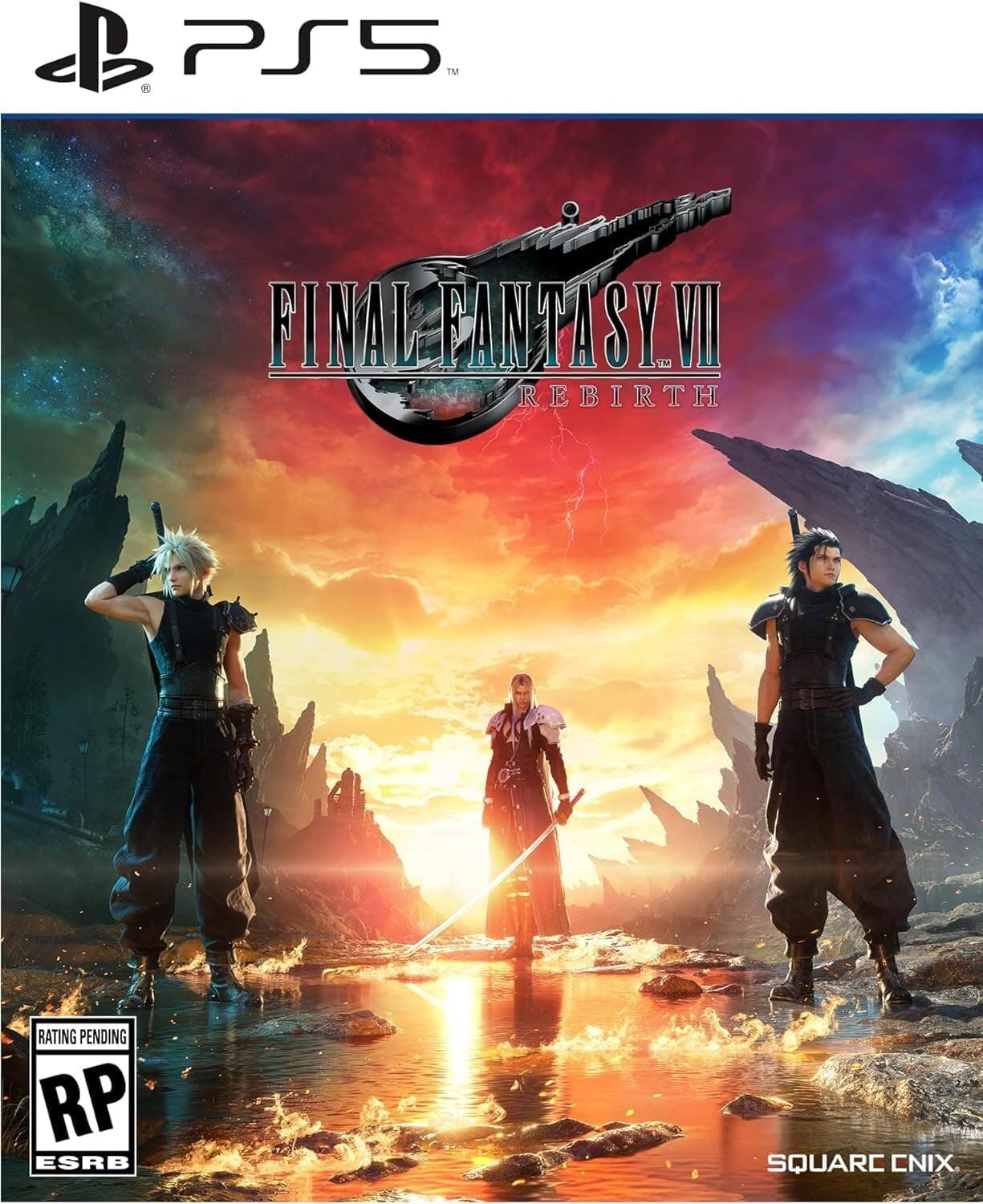
3. Final Fantasy VII Rebirth
Verdict: Strong on Materials and Environments, Uncanny on Stylized Faces
Fabric texture, environmental detail, and background elements looked more defined and less blob-like with DLSS 5 enabled, but applying a more photorealistic filter to an intentionally anime-stylized character design produced an uncanny, over-sculpted look on faces specifically.
Key Points:
- Jacket fraying, armor scratches, and background tree detail all appeared more defined
- Character faces took on an artificially chiseled, filtered look inconsistent with the game's stylized art direction
- Frame rate dropped by roughly half with the mod enabled during testing
Why It Matters: This was the clearest example of DLSS 5's central risk: applying a realism-oriented enhancement to games that were never meant to look photorealistic can actively clash with the intended art style.
4. Clair Obscur: Expedition 33
Verdict: Inconsistent — Excellent in Some Shots, Worse in Others
Results varied dramatically by scene: some environments (like a harbor view with individually detailed ropes and background figures) looked clearly improved, while character close-ups sometimes lost the game's distinctive dreamlike color grading in favor of flatter, more "natural" tones.
Key Points:
- Wide environmental shots with lots of small detail (ropes, background people) showed a clear improvement
- Some scenes appeared to shift lighting and shadow placement in ways that went beyond simple detail enhancement
- The "Cinematic" model was generally preferred over "Natural" for preserving the game's visual identity
Why It Matters: This game was the best example of DLSS 5's quality being highly scene-dependent — the same toggle that looked stunning in a wide shot could undercut a game's specific visual identity in a close-up.

5. Additional RPG Character Close-Up Testing
Verdict: More Realistic, Sometimes Unsettlingly So
In close-up "photo mode" style testing on a separate RPG character, added skin detail — visible pores, fine creases, and even faint under-skin veins — looked genuinely more realistic, though testers noted it also aged the apparent look of at least one young character in a way that felt inappropriate for the scene.
Key Points:
- Fine skin detail (blemishes, visible veins, texture) was a clear standout improvement over the base image
- Lip and eye detail specifically were called out as looking noticeably more lifelike
- The added realism aged the apparent look of at least one younger-appearing character, which testers flagged as an unintended and unwelcome side effect
Why It Matters: This is a clear case where "more detail" and "more accurate" don't automatically mean "better" — added realism can have effects developers likely didn't intend, especially on character ages and expressions.

6. Performance Cost
Verdict: Currently a 50-60% Frame Rate Hit
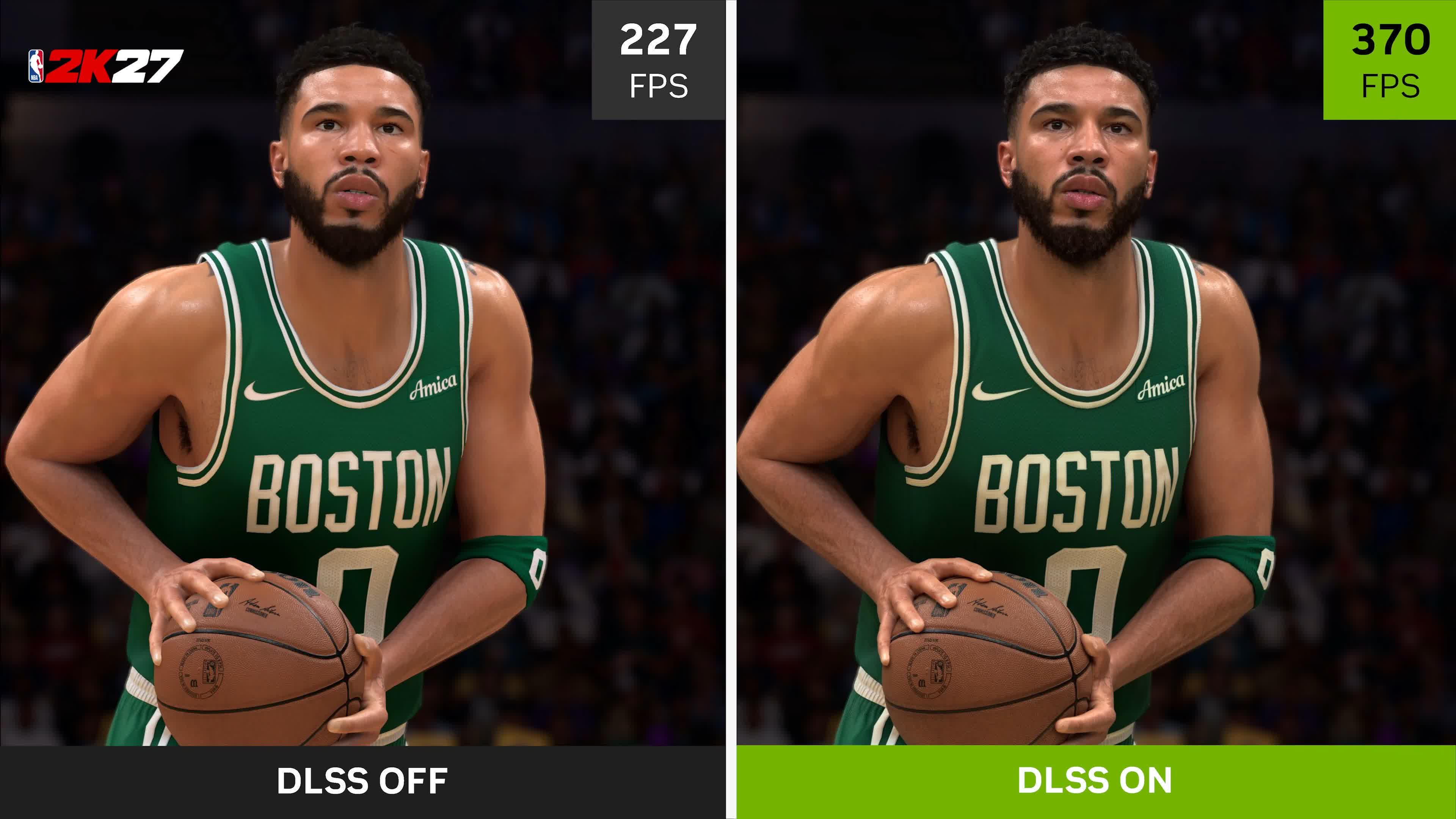
In this early, unoptimized build, enabling DLSS 5 cost roughly half of the system's total performance, enough to visibly stress even a high-end RTX 50-series GPU during testing.
Key Points:
- Frame rate dropped by an estimated 50-60% across tested scenes
- Even a top-tier current-gen GPU showed visible strain running it
- Nvidia has said it's prioritizing the current GPU generation, though testers were skeptical current hardware can realistically run it well
Why It Matters: At this performance cost, DLSS 5 isn't remotely ready for real-world use yet — this is a feature that will need at least one, if not two, GPU generations before it's broadly usable.
Final Verdict
Worth getting excited about: The incidental detail improvements — NPCs, background environments, fabric and material texture — represent some of the most convincing AI-driven fidelity gains seen from Nvidia so far.
Still needs work: Applying the same realism-focused filter to stylized, anime, or comic-book-style games produced consistently uncanny results, and the current performance cost makes it unusable on anything short of a top-tier GPU.
Bottom line: Roughly one in five scenes tested looked genuinely impressive, a majority looked passable-but-unnecessary, and a meaningful minority looked actively worse than the native image. This is an early, unofficial, unoptimized build running games it wasn't designed for, so none of this should be treated as a final verdict on DLSS 5 — but it's a useful early signal that the technology is going to be highly scene- and art-style-dependent rather than a universal upgrade, and it likely won't be practically usable on affordable hardware for another few GPU generations.