The Best $700 Gaming PC Build for 2026
A $700 budget won't get you the newest-generation components, but it's still enough to build a genuinely capable 1080p gaming rig — one that handles current AAA titles at high settings and pushes well past 60 FPS in competitive esports titles. The key at this price is spending the largest share of the budget on the GPU, since it determines most of your frame rate at 1080p, while keeping the rest of the build balanced and bottleneck-free. Here's a complete parts list that lands right around $700.

Quick Parts List
Component | Pick | Price | Why It's Here | ||
|---|---|---|---|---|---|
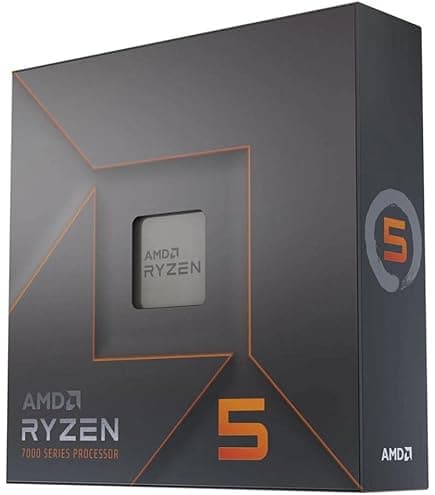
CPU | AMD Ryzen 5 5600 | ✅ ~$120-130 | 6 cores/12 threads, won't bottleneck the GPU | ||
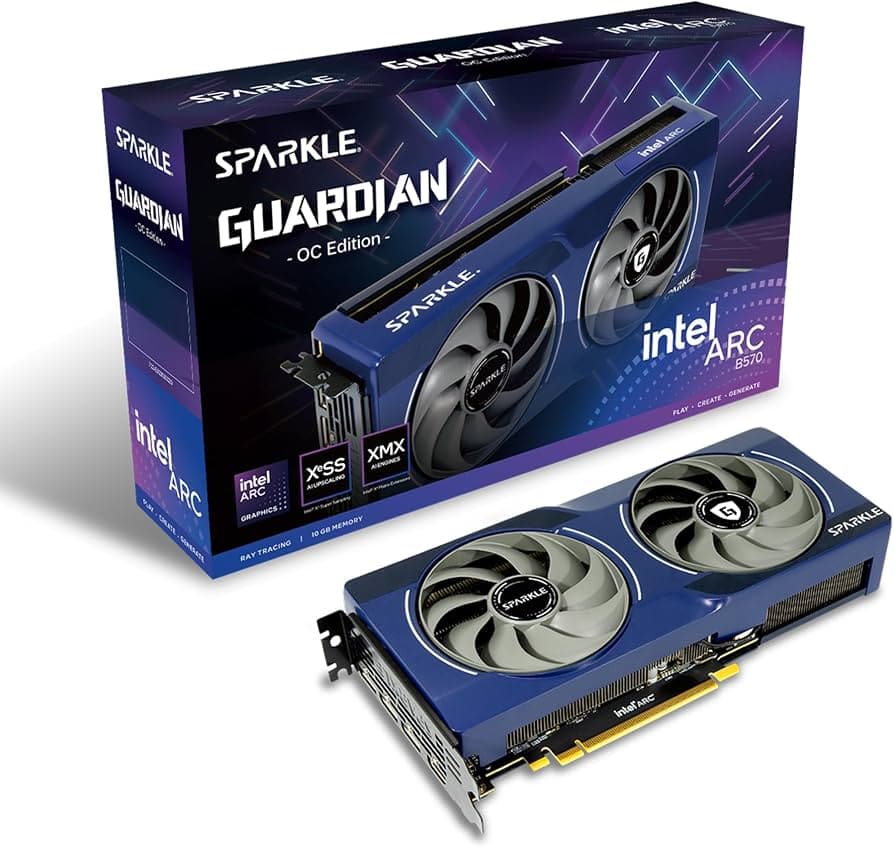
GPU | Intel Arc B570 10GB | ✅ ~$249 | Most VRAM for the price, solid 1080p performance | ||
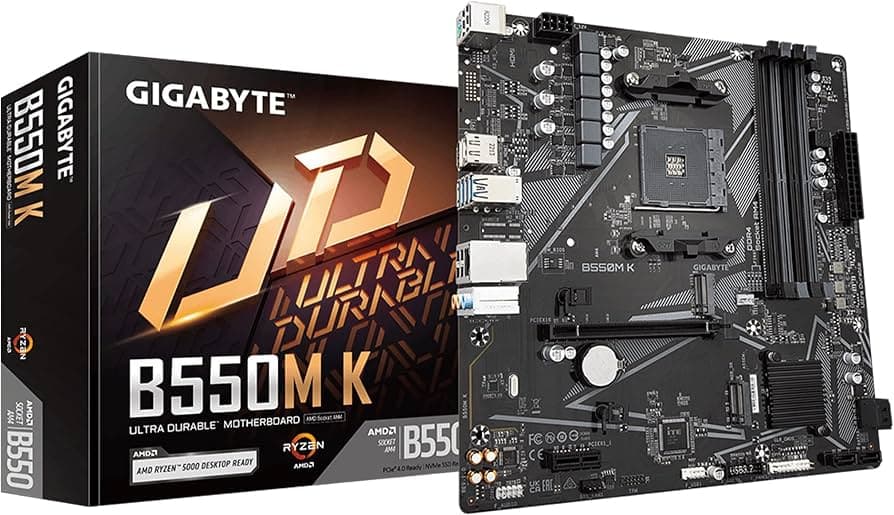
Motherboard | B550M mATX | ✅ ~$80-90 | Reliable, supports fast DDR4, room to upgrade CPU later | ||
RAM | 16GB (2x8GB) DDR4 3200MHz | ✅ ~$40-50 | Dual-channel, enough for gaming + background apps | ||
Storage | 1TB NVMe SSD (PCIe 4.0) | ✅ ~$50-60 | Fast load times, no need for pricier PCIe 5.0 | ||
PSU | 550W 80+ Bronze | ✅ ~$50-60 | Reputable brand, protects the rest of the build | ||
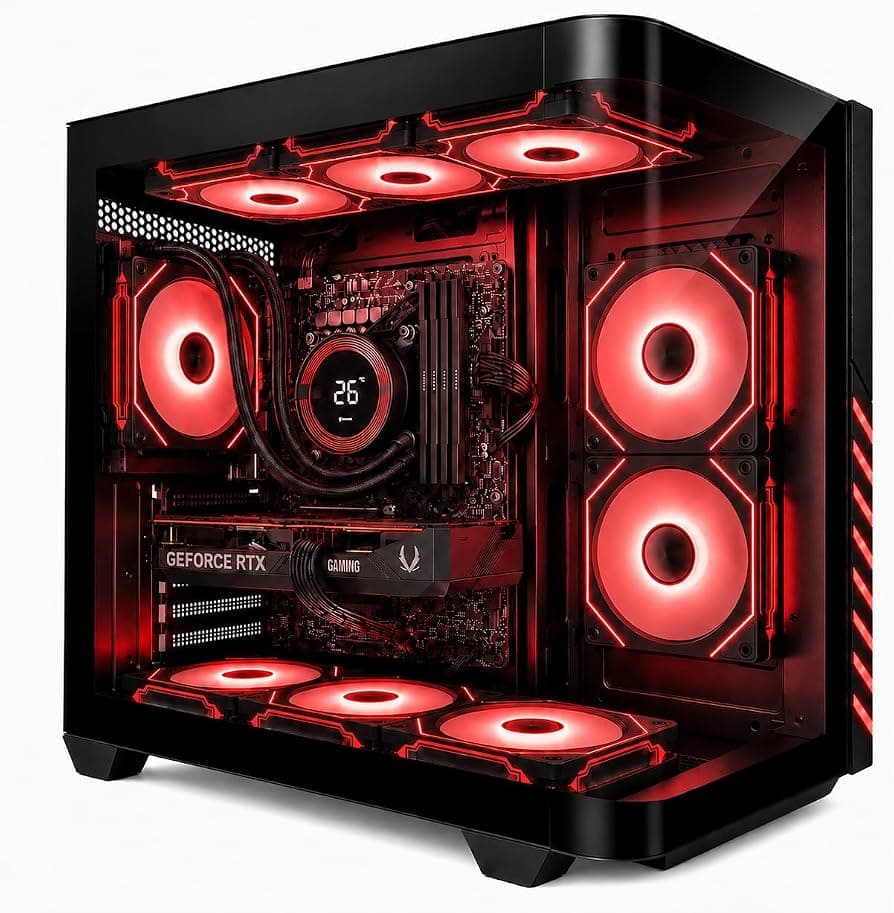
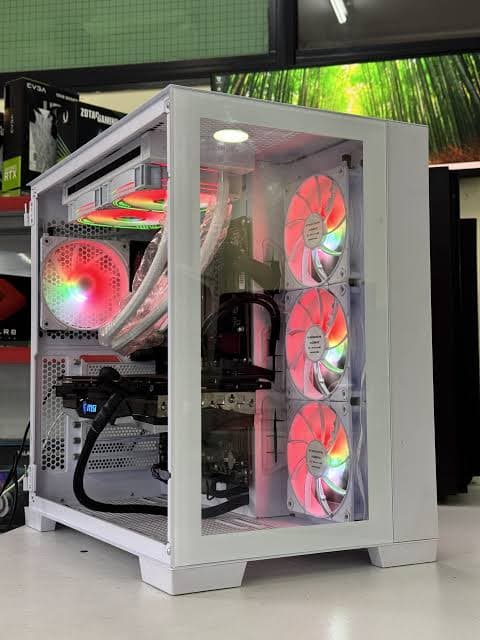
Case | mATX Mid Tower, 2+ fans | ✅ ~$50-60 | Good airflow prevents thermal throttling | ||
Total | — | ✅ ~$700 | Balanced 1080p gaming build |
1. CPU: AMD Ryzen 5 5600
Price: Around $120–$130
The Ryzen 5 5600 remains one of the best value CPUs for budget gaming builds — six cores and twelve threads is more than enough to keep a budget-tier GPU fed at 1080p without becoming the bottleneck.
Why This Pick: At 1080p and 1440p, the GPU does roughly 80% of the work for gaming performance — spending more on the CPU here would mean less GPU, which is the wrong tradeoff for this budget.
2. GPU: Intel Arc B570 10GB
Price: Around $249
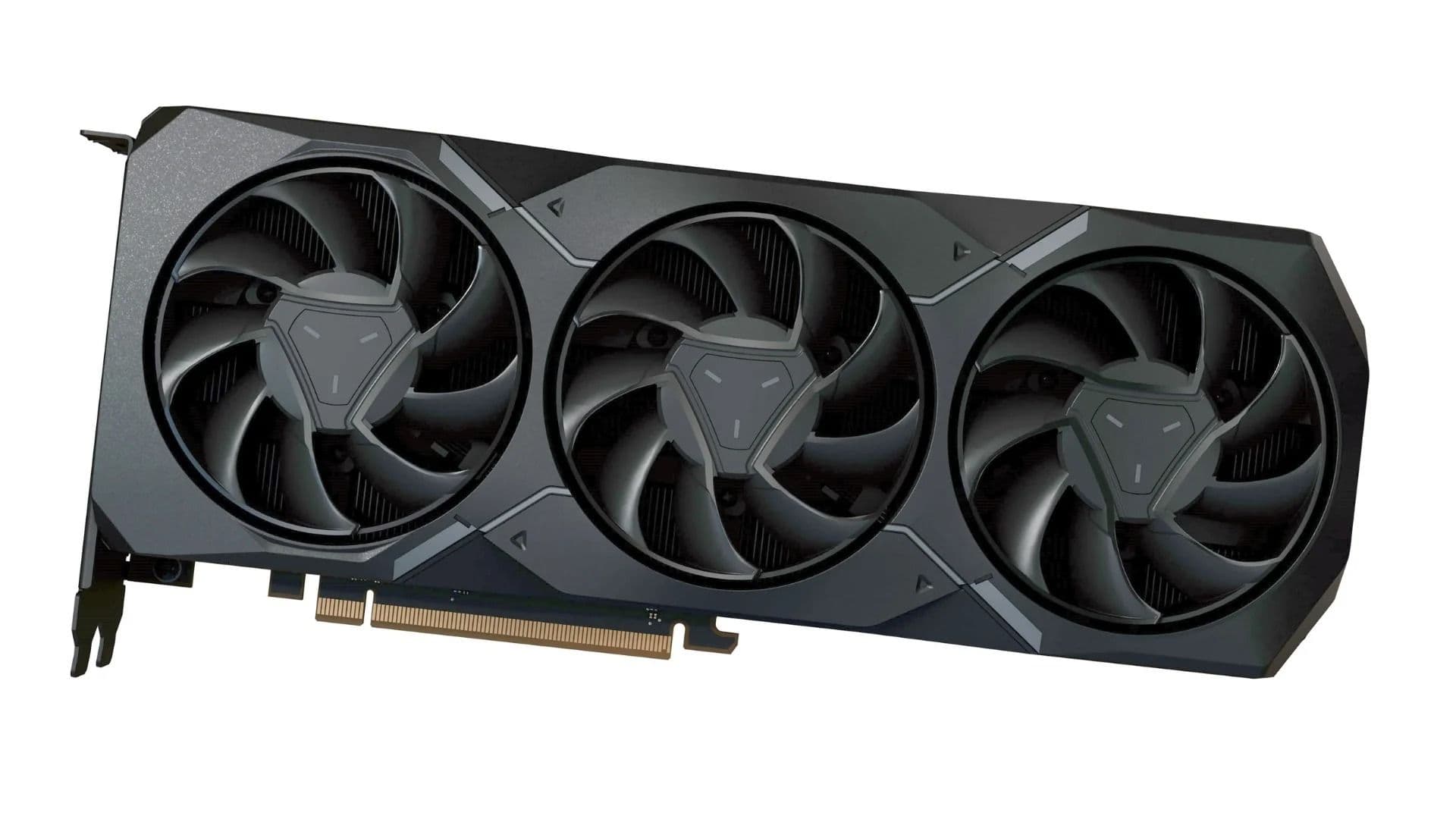
The single most important part of this build, the Arc B570 punches above its price with 10GB of VRAM and solid 1080p performance, backed by driver stability that's improved significantly since Intel's first-gen Arc cards.
Why This Pick: More VRAM than most competing cards near this price, which matters more for long-term game compatibility than a small framerate difference would.
3. Motherboard: B550M mATX
Price: Around $80–$90
A B550M board keeps costs down while still supporting faster-clocked DDR4 RAM and giving you a clean upgrade path if you swap in a higher-end Ryzen CPU later.
Why This Pick: No need to pay for features (like PCIe 5.0 or excessive VRM headroom) this build will never use — a solid, reliable mid-tier board is the right call here.
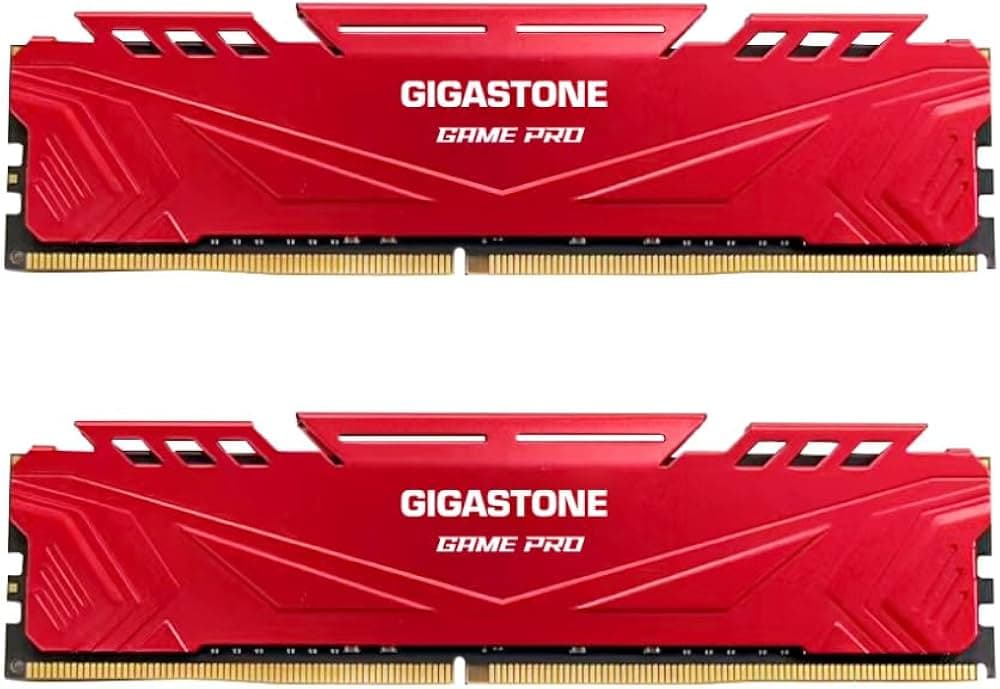
4. RAM: 16GB (2x8GB) DDR4 3200MHz
Price: Around $40–$50
16GB is the practical minimum for modern gaming — enough to run Windows, a browser, Discord, and a current AAA title simultaneously without stuttering.
Why This Pick: Dual-channel (2x8GB rather than a single 16GB stick) noticeably improves gaming performance on AMD platforms — always buy RAM in matched pairs.
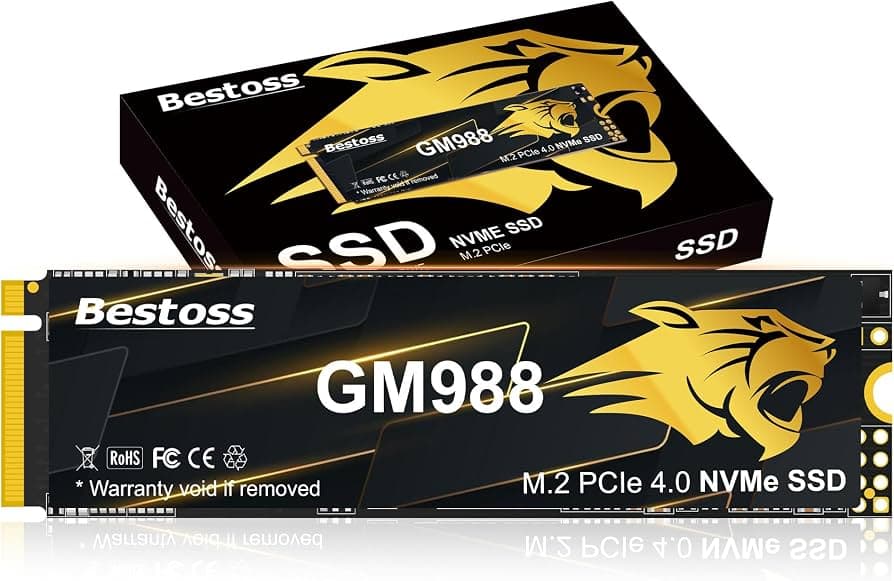
5. Storage: 1TB NVMe SSD (PCIe 4.0)
Price: Around $50–$60
A full 1TB of NVMe storage means you won't be juggling install space after just two or three modern AAA titles, and NVMe speeds cut load times dramatically versus older SATA SSDs.
Why This Pick: PCIe 5.0 drives offer no real-world gaming benefit over PCIe 4.0 at this budget — spend the savings on capacity instead of unnecessary bandwidth.
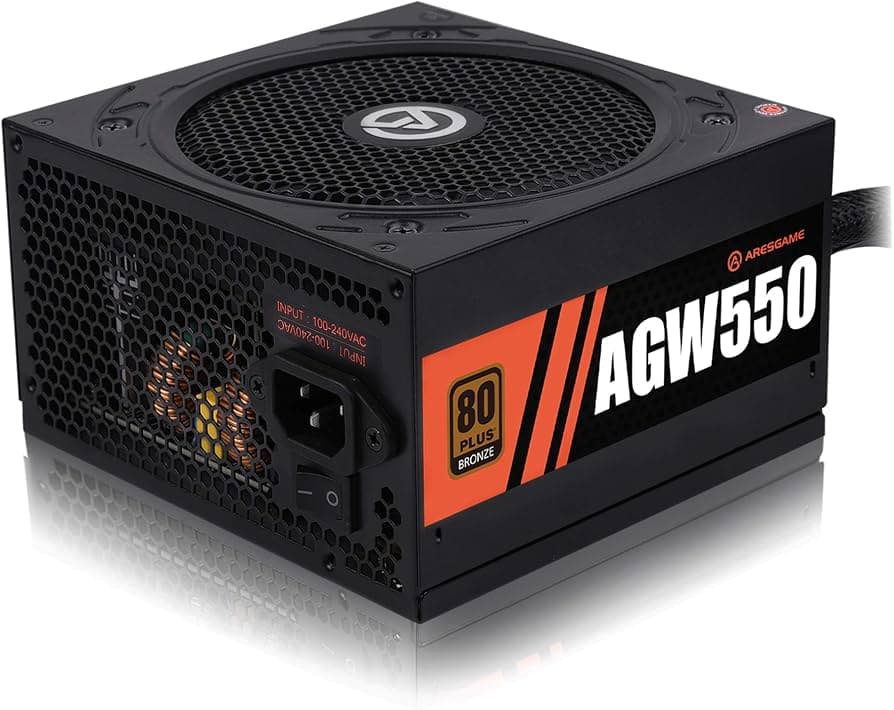
6. Power Supply: 550W 80+ Bronze
Price: Around $50–$60
A reputable 550W 80+ Bronze unit comfortably powers this entire build with headroom to spare, and buying from a known brand avoids the real risk of a cheap PSU damaging other components.
Why This Pick: This is the one part of the build not worth cutting corners on — a failing no-name PSU can take your GPU and motherboard down with it.
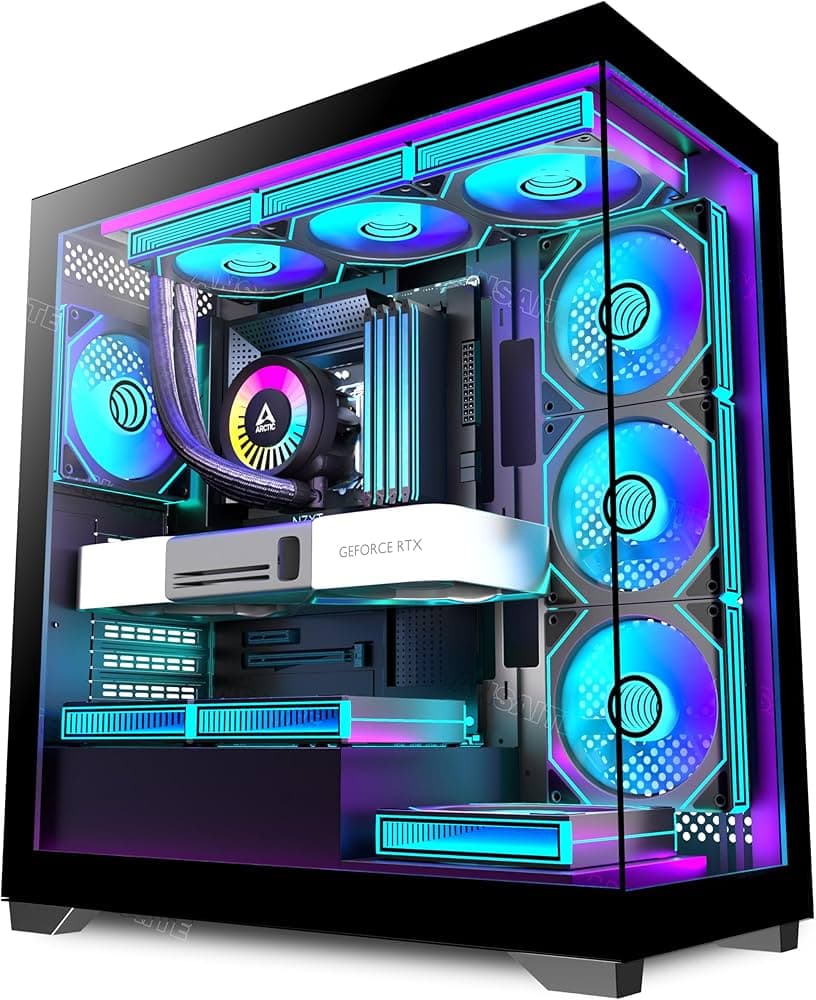
7. Case: mATX Mid Tower with Airflow
Price: Around $50–$60
A case with two or more pre-installed fans keeps temperatures in check without needing to buy extra cooling separately, and an mATX mid tower comfortably fits every part on this list with room for future upgrades.
Why This Pick: Good airflow prevents thermal throttling on both the CPU and GPU — a $10-15 upgrade over the cheapest case on the shelf pays for itself in sustained performance.
What Performance to Expect
- 1080p, High/Max settings: 60+ FPS in the vast majority of current AAA titles.
- 1080p, Competitive esports (CS2, Valorant, etc.): High refresh rates well above 100 FPS in most titles.
- 1440p: Playable at medium-high settings in less demanding titles, though 1080p remains this build's sweet spot.
Quick Buying Tips
- Don't skimp on the PSU or case airflow — both are cheap insurance against damaged components and thermal throttling down the line.
- Buy RAM in a matched 2x8GB kit rather than a single stick; dual-channel memory has a real, measurable impact on gaming performance.
- Skip RGB and premium aesthetics at this budget — every extra dollar spent on looks is a dollar not spent on the GPU, which matters far more for actual performance.
- Windows 11 Home adds roughly $100–$130 if you don't already have a license — factor that into your total budget if you don't have Linux or a spare key.
Final Thoughts
This build lands right around $700 before an OS license, and it's a genuinely strong 1080p gaming PC for the price — not a compromise-filled entry-level machine. If you can stretch to $800–$1,000, you'll unlock newer-generation GPUs and a real jump into 1440p territory, but for a hard $700 ceiling, this parts list gets you the most game for your money in 2026.
Related Articles
Best Budget GPUs Under $300 in 2026-2027Best Budget GPUs Under $300 in 2026-2027

DLSS 5 Testing in Games and Graphics: : First Impressions To determine if It's Better On or OFF ?
The fastest Gaming pc ever build-Inside a $5,100 Hand-Tuned Overclocking Build: