OLED vs Mini-LED in 2026: Which Should You Actually Buy?
Choosing between OLED and Mini-LED in 2026 comes down to one question more than any other: what does your room look like? Both technologies have matured significantly this year — OLED has closed much of its old brightness gap, and Mini-LED has gotten dramatically better at color and dimming precision. Here's a full breakdown to help you decide.
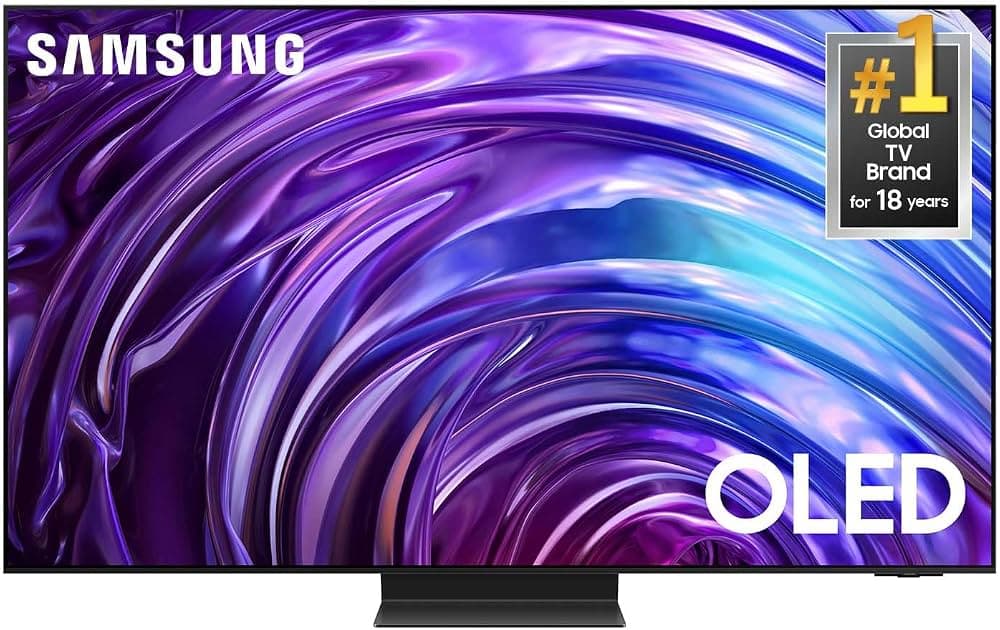
Quick Comparison
Category | OLED | Mini-LED | ||
|---|---|---|---|---|
Black Levels/Contrast | ✅ True black, infinite contrast | ⚠️ Blooming still visible in some scenes | ||
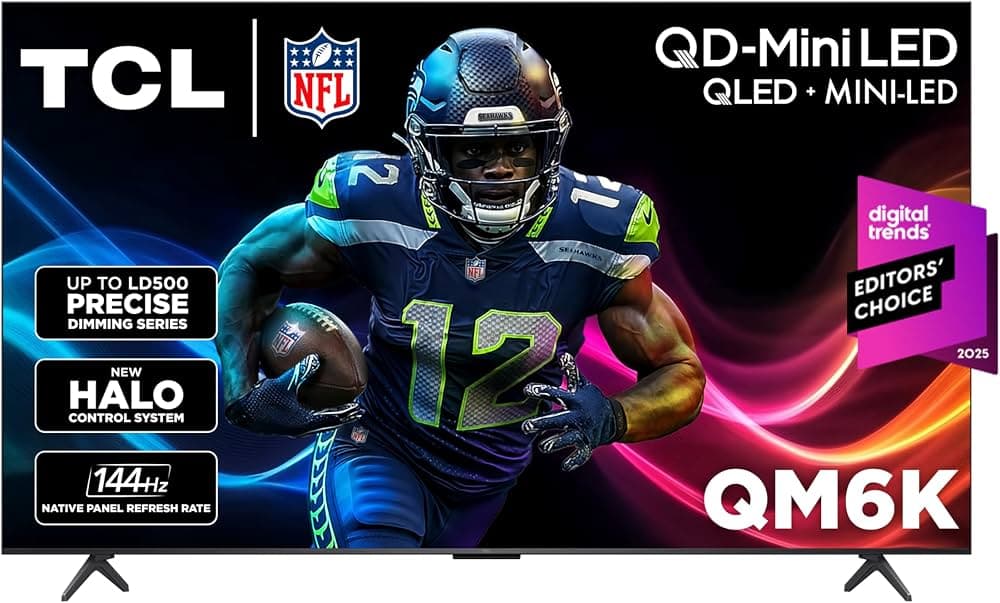
Brightness | ⚠️ ~1,800 nits on premium tandem models | ✅ 2-3x higher peak brightness typically | ||
Gaming/Motion | ✅ Sub-1ms input lag, <0.1ms response | ⚠️ 5-15ms input lag, 2-8ms response | ||
Burn-In Risk | ⚠️ Low but not zero | ✅ Zero burn-in risk | ||
Color | ✅ Wide gamut, QD-OLED options | ✅ Improved via RGB-direct backlighting | ||
Price | ❌ 30-40% premium over Mini-LED | ✅ Better price-to-screen-size ratio | ||
Best For | ✅ Dark rooms, gaming, movie nights | ✅ Bright rooms, sports, biggest screen for less |
1. Black Levels & Contrast
Winner: OLED
OLED's self-emissive pixels can switch off completely, producing true black and effectively infinite contrast, while even the best Mini-LED sets still rely on a backlight that can't fully eliminate light bleed around bright objects on a dark background.
Key Points:
- OLED: Each pixel emits its own light and produces zero photons when off
- Mini-LED: Uses thousands of dimming zones, but blooming around bright edges is still detectable in some scenes
- Result: OLED remains the reference standard for dark-room, cinematic viewing
Why It Matters: If you watch primarily at night or in a dim room, OLED's contrast advantage is immediately noticeable and hard to unsee once you've compared the two side by side.
2. Brightness
Winner: Mini-LED (Edge)
Mini-LED still holds a real brightness advantage for HDR highlights and daytime viewing, though new tandem-OLED panels have narrowed the gap considerably compared to just a couple of years ago.
Key Points:
- Mini-LED: Delivers roughly 2-3x higher peak brightness than standard OLED panels
- Tandem OLED (e.g. LG's G5): Stacks two OLED layers to reach around 1,800 nits, closing much of the historical gap
- Standard OLED: Still trails Mini-LED in sustained full-screen brightness
Why It Matters: For sunlit living rooms or serious HDR sports viewing, Mini-LED (or a premium tandem-OLED set) will look noticeably punchier than a standard OLED panel.

3. Gaming & Motion
Winner: OLED
OLED's near-instant pixel response time all but eliminates motion blur, and its lower input lag gives it a real edge for fast-reflex and competitive gaming over even 144Hz Mini-LED panels.
Key Points:
- OLED: Sub-1ms input lag in game mode; pixel response time under 0.1ms
- Mini-LED: Input lag typically 5-15ms; pixel response 2-8ms even at 144Hz
- Both: Fall below the ~20ms threshold where lag becomes perceptible in casual play
Why It Matters: Casual gamers likely won't notice the difference, but competitive players and fast-motion genres will feel OLED's edge in responsiveness and motion clarity.

4. Longevity & Burn-In Risk
Winner: Mini-LED
Mini-LED carries no burn-in risk at all, since it uses an LCD panel rather than organic, self-emissive pixels that can degrade unevenly with static content over time.
Key Points:
- Mini-LED: Zero burn-in risk, generally longer usable lifespan for static-content use cases
- OLED: Burn-in risk is low with modern pixel-shifting and panel-refresh safeguards, but not zero
- Best Use Case for Mini-LED: TVs used heavily for news channels, computer monitors, or other static UI elements
Why It Matters: If your TV doubles as a monitor or runs the same channel logo for hours daily, Mini-LED's immunity to burn-in is a meaningful practical advantage.

5. Color & Picture Quality
Winner: Tie
Both technologies now deliver excellent color in 2026 — OLED through its wide color gamut and pixel-level precision, and Mini-LED through the industry-wide shift to RGB-direct backlighting, which has largely fixed the color-volume weaknesses older Mini-LED sets were known for.
Key Points:
- OLED: Naturally wide color gamut, enhanced further by QD-OLED panels using quantum dot conversion
- Mini-LED: RGB-direct backlighting has significantly improved color volume and heat efficiency over older white-LED designs
- Both: Now offer genuinely excellent HDR color reproduction at the high end
Why It Matters: Color quality is no longer a clear differentiator the way it was a few years ago — this decision now comes down to contrast and brightness priorities, not color accuracy.

6. Price & Value
Winner: Mini-LED
Mini-LED remains the more affordable technology overall, though the price gap between the two has been narrowing steadily as OLED production costs come down.
Key Points:
- OLED has historically carried a 30-40% price premium over comparable Mini-LED sets
- That gap is expected to keep narrowing through the rest of the decade
- Mini-LED still offers the best price-to-screen-size ratio, especially at 65 inches and larger
Why It Matters: If budget or screen size is your top priority, Mini-LED continues to get you more inches and more brightness per dollar than OLED.

Final Verdict
Choose OLED if: You watch mostly in a dark or moderately lit room, care about the best possible contrast and black levels, or want the fastest response time for gaming.
Choose Mini-LED if: Your room gets a lot of natural light, you want the brightest possible HDR highlights, you're worried about burn-in, or you want the biggest screen for your budget.
Neither technology is a wrong choice in 2026 — both have genuinely matured, and the "best" TV depends far more on your room and viewing habits than on which technology wins on a spec sheet. For most everyday buyers in average-lit rooms, OLED edges ahead on picture quality and gaming responsiveness, while Mini-LED remains the smarter pick for bright rooms, sports fans, and anyone chasing the biggest screen for the least money.