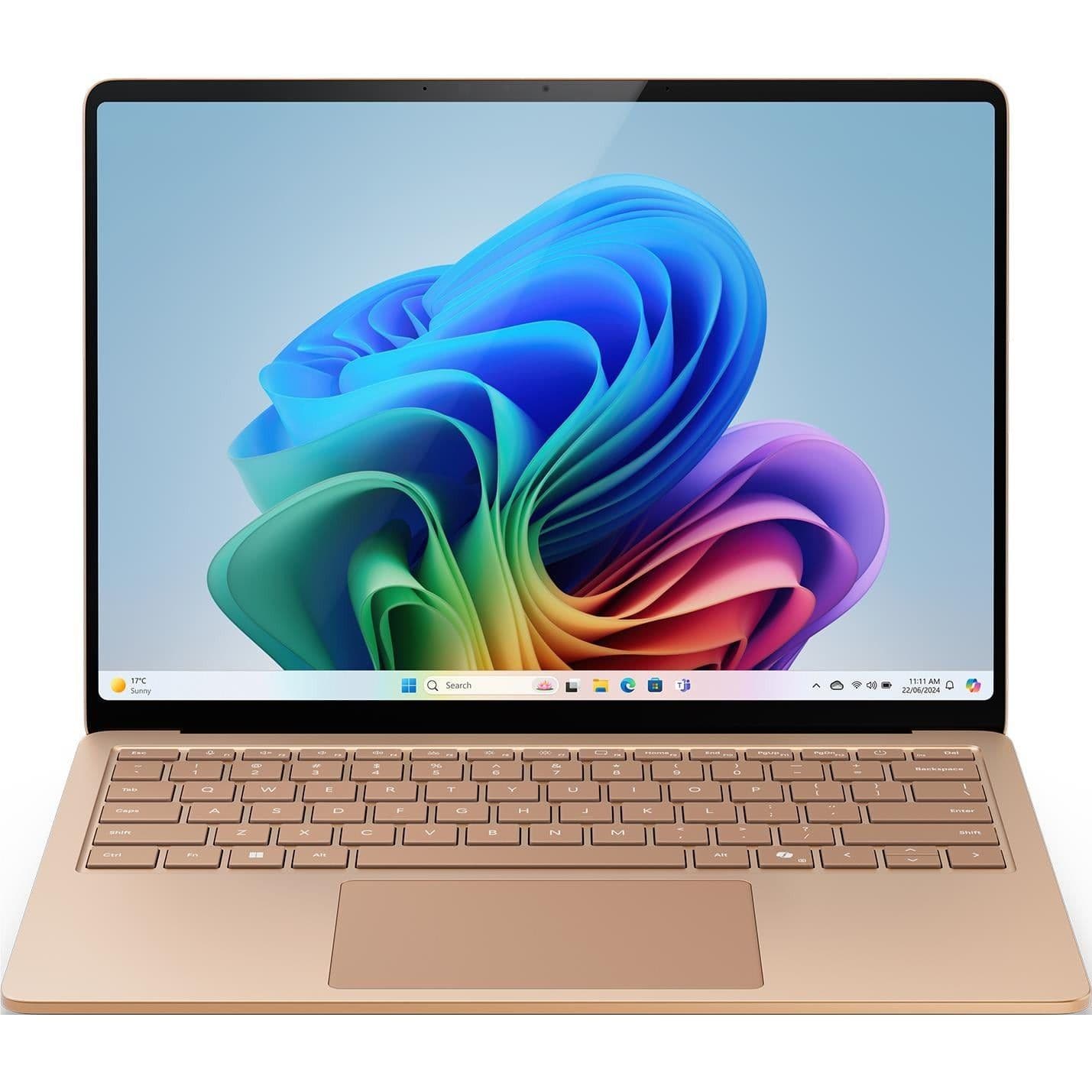
HP vs Lenovo: Which Laptop Brand Is Better in 2026-2027?
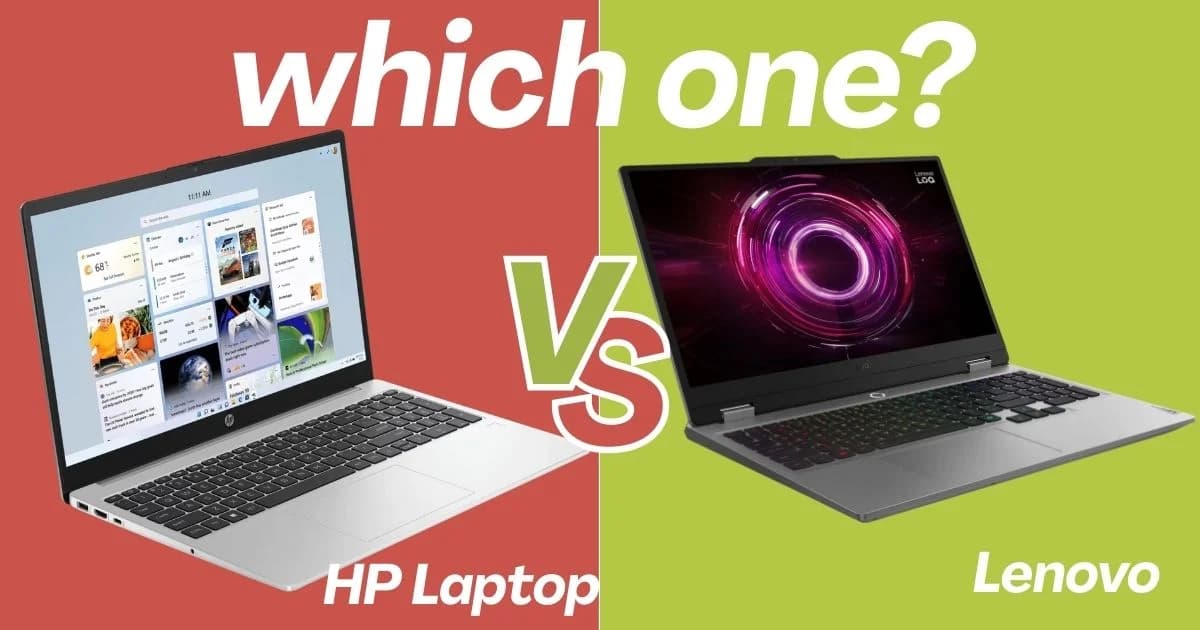
Choosing between HP and Lenovo comes down to more than brand loyalty — it's about matching a laptop to how you actually use it. HP leans into design, versatility, and multimedia performance, while Lenovo focuses on business-grade durability, keyboards, and long-term reliability. Here's a full breakdown to help you decide.

Quick Comparison
Category | HP | Lenovo | ||
|---|---|---|---|---|
Build Quality | ⚠️ Weaker on budget models | ✅ MIL-STD-810H certified across lineup | ||
Battery Life | ⚠️ Varies by model | ✅ Reliable all-day on business models | ||
Displays | ✅ Better mid-range displays | ⚠️ Strong only on premium lines | ||
Gaming | ✅ HyperX OMEN (premium) | ✅ Legion & LOQ (best value) | ||
Value/Deals | ❌ Fewer steep discounts | ✅ Frequent sales & student deals | ||
Business Security | ✅ HP Wolf Security | ✅ ThinkShield | ||
Stylus & 360° Hinge | ✅ OmniBook Ultra | ❌ Not standard across lineup | ||
Best For | ✅ Design & multimedia users | ✅ Students & business users |
1. Build Quality
Winner: Lenovo (Edge)
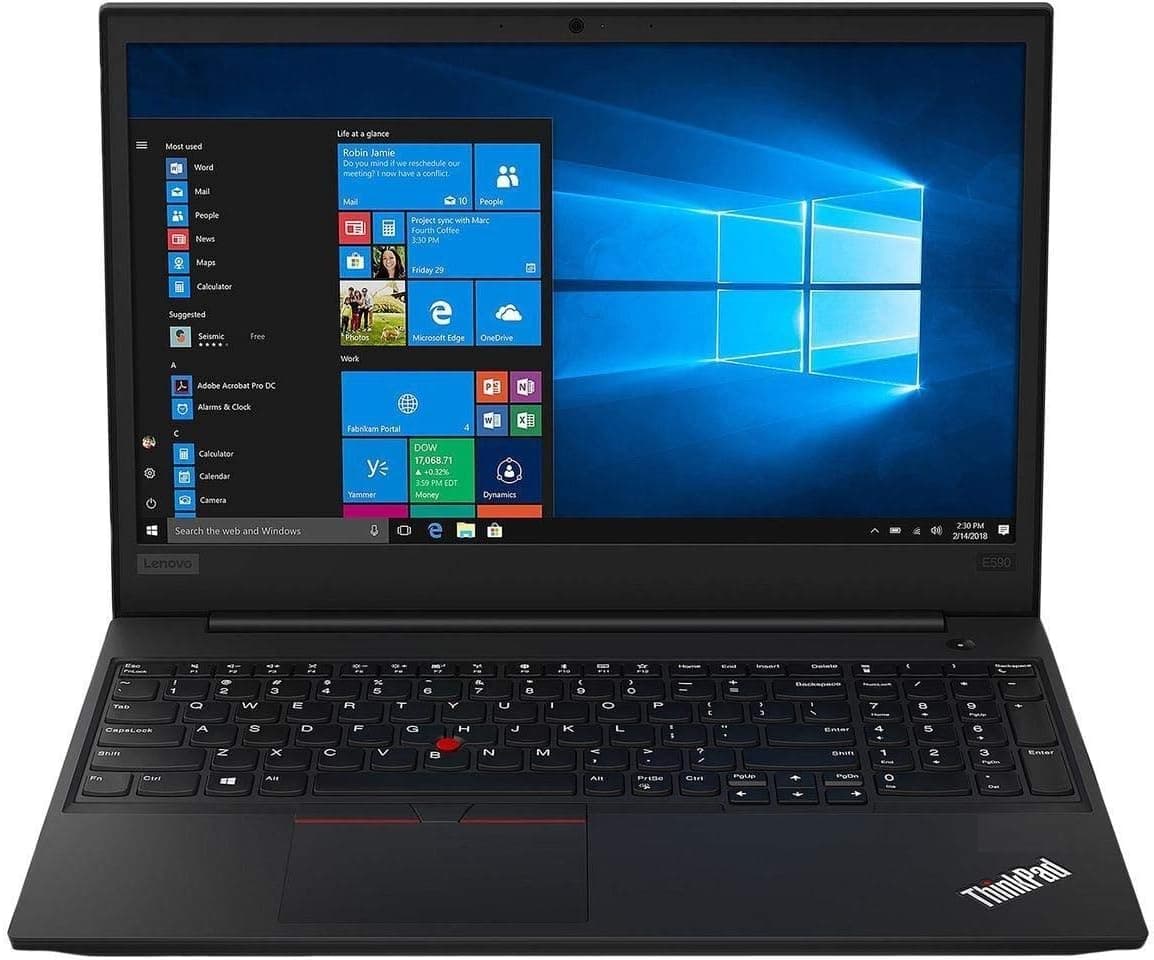
Lenovo generally holds a durability edge, with the ThinkPad line built to military-grade MIL-STD-810H standards while HP tends to prioritize design over long-term ruggedness on its mid-range and budget models.
Key Points:
- ThinkPad X1 Carbon: MIL-STD-810H certified, tank-like construction
- HP's premium lines (Spectre/OmniBook Ultra): Comparable build quality to Lenovo's best
- Budget models (IdeaPad, HP Pavilion/OmniBook 3): Build quality drops on both sides
Why It Matters: If you're comparing similarly priced everyday laptops, Lenovo's mid-range tends to age more gracefully than HP's equivalent.
2. Performance & Everyday Use
Winner: Tie
Both brands offer competitive processor and graphics options across their lineups, with the real difference showing up in specific product lines rather than the brand as a whole.
Key Points:
- Both offer current-gen Intel Core Ultra and AMD Ryzen options
- HP OmniBook Ultra: Versatile experience, often includes a stylus and 360-degree hinge
- Lenovo Yoga: Comparable 2-in-1 versatility with strong keyboard feel
Why It Matters: Performance differences come down to the specific model and configuration, not brand loyalty alone.
3. Battery Life
Winner: Lenovo (Edge)
Lenovo's business-focused models tend to deliver more consistent all-day battery life for office tasks, while HP's runtimes vary more depending on the specific model.
Key Points:
- Lenovo ThinkPad/business line: Reliable all-day battery for browsing, documents, and calls
- HP premium models: Can match Lenovo, but consistency varies more across the lineup
Why It Matters: If battery predictability matters more than peak performance, Lenovo's business line is the safer bet.

4. Gaming Laptops
Winner: Lenovo (Edge)
Lenovo's Legion line is more consistently well-reviewed for cooling performance and price-to-performance, while HP's gaming lineup restructured in January 2026 under new branding.
Key Points:
- Lenovo Legion (5/7/9): Praised for cooling and value
- Lenovo LOQ: Undercuts most budget gaming competition with current-gen RTX GPUs
- HP HyperX OMEN: Premium gaming (replaced the OMEN name as of January 2026)
- HP Victus: Balanced budget gaming tier
Why It Matters: Choose Legion or LOQ for the strongest value-to-performance ratio; choose HyperX OMEN if you prioritize premium thermals and features over price.
5. Displays & Design
Winner: Tie
Both brands put strong OLED or high-nit IPS panels on their premium lines and cut similar corners on entry-level models, making this largely a wash.
Key Points:
- Premium tier (HP OmniBook Ultra, Lenovo Yoga/ThinkPad X1): Comparable high-quality panels
- HP: Often has an edge specifically in mid-range display quality
- Entry-level models: Similar corner-cutting on both sides
Why It Matters: If display quality is your top priority in the mid-range specifically, HP has a slight edge.
6. Value & Pricing
Winner: Lenovo
Lenovo runs frequent, aggressive sales, often making a high-spec IdeaPad significantly cheaper than a comparably specced HP — though HP's mid-range displays can offset some of that value gap.
Key Points:
- Lenovo: Constant sales, strong student discounts
- HP: Better displays in the mid-range, but fewer steep discounts
Why It Matters: If you're patient and shop sales, Lenovo tends to offer more laptop for your money.
7. Business & Security
Winner: Tie
Both brands offer excellent, durable business laptops with strong, comparable security stacks and similar warranty structures.
Key Points:
- Lenovo ThinkPad: ThinkShield security, MIL-STD-810H durability
- HP EliteBook: HP Wolf Security, comparable business-grade durability
Why It Matters: The ThinkPad vs. EliteBook decision comes down to personal preference — both are excellent for enterprise use.
Final Verdict
Choose Lenovo if: You want the most consistent build quality, better battery predictability, stronger gaming value (Legion/LOQ), and the best chance of catching a great deal — especially as a student or business user.
Choose HP if: You prioritize design and versatility, want a stylus and 360-degree hinge (OmniBook Ultra), or specifically want a stronger display in the mid-range price tier.
For most everyday buyers, Lenovo edges ahead on reliability and value, while HP remains the stronger pick for design-focused and multimedia-first users. Neither brand is a wrong choice — it genuinely comes down to matching the lineup (ThinkPad vs. EliteBook, Legion vs. HyperX OMEN, Yoga vs. OmniBook Ultra) to your specific needs.